A moist springtime early morning, a mare named Juniper, and a female in an intense yellow raincoat that could not quit talking. Sara had actually simply left a high-pressure task without a brand-new strategy, and her ideas moved like a pot delegated boil as well long. She maintained her distance from Juniper while telling me she wanted to feel constant and crucial. Juniper flicked her ear, tipped away, and started grazing near a fencing line. After a few minutes, Sara dropped quiet. She saw the space in between them and whispered, That's precisely what my decisions do. They keep ignoring me. By the end of the hour, her voice had actually reduced and her shoulders went down. She learned to match her breath to the mare's rib cage, after that tried a new technique: fewer words, more clear purpose, slower feet. Juniper raised her head and strolled over. That micro-moment did not address Sara's occupation, yet it offered her a bodily memory of just how clarity feels. Two months later on, she used that experience to browse 3 challenging conversations and approve a function that matched her values.
Equine-assisted mentoring functions like that. Not magical, not magical, and certainly not regarding riding off into the sunset. It is practical, personified learning with a sensitive herd. The steeds mirror what you bring, you adjust in actual time, and the lesson sticks due to the fact that your entire nerve system participates.
What equine-assisted training is, and what it is not
Across barns and programs you will certainly hear various names: equine-assisted services, equine-assisted coaching, equine-facilitated coaching, restorative horsemanship, equine-assisted tasks, equine-facilitated health. The vocabulary can be confusing, so below is the idea I make use of on the farm.
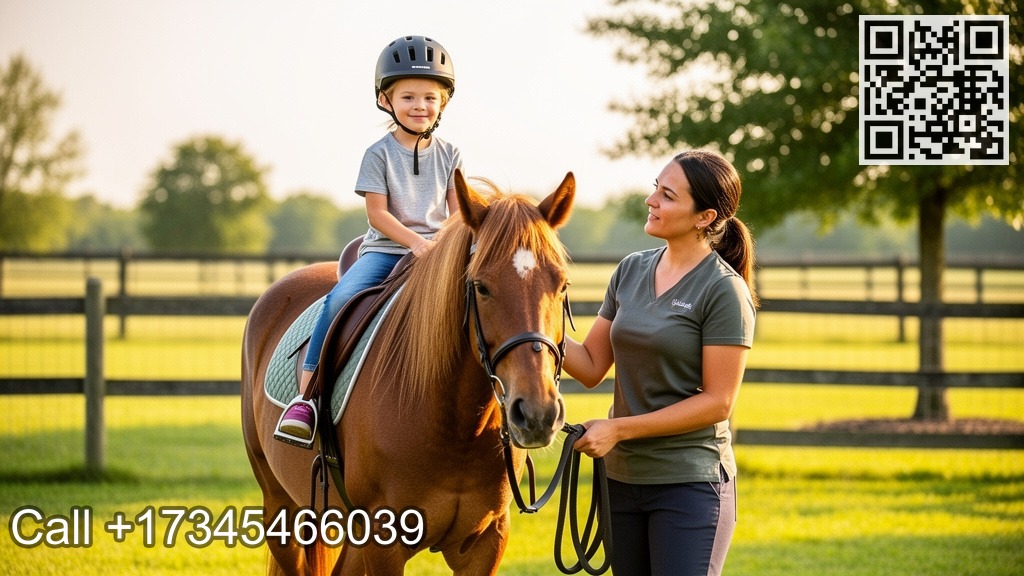
Equine-assisted training focuses on individual growth, leadership, and life transitions. It is objective oriented and generally does not detect or deal with mental illness. Sessions are frequently on the ground, without riding, and can offer individuals, couples, family members, and work groups. Exercises highlight communication, borders, self-regulation, and decision-making. My coaching days include tasks like leading a steed free, browsing a challenge training course, or co-creating a boundary plan the steed will accept.
Therapeutic horsemanship usually suggests teaching horsemanship skills in a manner adapted to an individual's requirements. It may consist of pet grooming, leading, or riding with support. The objective is skill building, confidence, and pleasure. An autism equine learning program, as an example, may use constant patterns, visual timetables, and silent steeds to develop success basically, repeatable steps. ADHD equine finding out assistance may weave briefly, high-interest tasks and clear shifts to harness power instead of combating it.
Equine-assisted tasks is a wide umbrella. It can include placed or unmounted experiences, social skills groups, team building with steeds, and health days. Consider it as organized time with steeds that has a purpose, a strategy, and a safety framework.
If a mental health and wellness medical diagnosis is main, then a licensed clinician must lead or co-lead. That is equine-assisted therapy. Trainers like me commonly companion with specialists for anxiousness assistance with steeds when signs are high, or we refer out if the range drops outside mentoring. Clear limits keep clients and steeds safe.
Why horses aid when life transforms a corner
Horses are target pets with a nervous system tuned to nuance. They read intention and physiology quicker than words can carry. A half breath held too long, a micro-tension in your shoulder, a glimpse that does not match your stance, and the horse will respond. That instantaneous psychophysiological feedback can be uncomfortable in the beginning, then remarkably liberating. You can not beauty a thousand-pound pet with a pitch. You have to obtain congruent, and when you do, doors open.
Congruence is the secret sauce. If you state you are tranquil while your body screams hurry up, many individuals will certainly accept the words and disregard the signal. Steeds do the contrary. They adhere to the signal. When your interior state and your outside habits line up, the horse loosens up. That minute teaches your body what alignment seems like. In time, this becomes mobile. Clients report utilizing that experience before task meetings, court dates, fertility visits, and retired life parties.
Somatic recovery with steeds matters here. The job welcomes the autonomic nerves to exercise shifting states in a risk-free way. Grooming a soft winter season layer, really feeling the weight of the hoof in your hand, hearing a steed sigh and chew, these inputs assist the body notification security. For anxiousness, panic, or sorrow, that sensory splendor can anchor attention far better than a chair and 4 white wall surfaces. I am not asserting horses replace therapy. Think about equine-facilitated health as an addition to a wider care plan, particularly throughout transitions that exhaust the system.
A common session, without the gloss
Barn days are practical. Mud occurs, weather condition changes, and an equine may determine a tarp is a dragon. We intend, we adjust, and we maintain the job deliberate. An initial session typically appears like this:
- Safety and alignment. We evaluate limits for humans and horses, fit helmets if required, and stroll the border together so the location feels familiar. Establish the purpose. I ask what you wish to leave with today, not for life, simply this hour. Ground method. Easy breath and stance work to find neutral. We might match breath with an equine over the fence or in a shared area if it is safe. Experiential understanding with horses. We established an activity linked to your goal. The equine supplies responses and we readjust in the moment. Debrief. We collect what worked, what did not, and convert it right into a couple of experiments you can attempt in the house or work.
Most sessions run 60 to 90 mins. Several clients book a 6 to 10 session arc linked to a particular transition. As an example, a family navigating a relocation might come every other week for 3 months. A team going into a merger could book an eventually extensive, after that a follow-up two months later.
Coaching with the mess of real transitions
Not every change is a tidy line in between previously and after. Jobs discolor, caregiving ramps up, marriages transform form, or a medical diagnosis shows up on a normal Thursday. Horses do not need neat tales to work together. They require quality and reasonable leadership. That makes them fitting partners in minutes when you lead via uncertainty.
Career rotates. A software program manager named Eliot brought out his group for a half-day of team building with horses, after that returned for 3 1:1 sessions. He tended to over-explain, intending to gain buy-in. With the gelding, that pattern caused complication and a great deal of eating on the lead rope. The training hint was simple: less words, clearer instructions, even more time for the steed to respond. Eliot carried that pattern into human meetings. He cut his chatting points, set explicit stops briefly, and waited the extra 3 seconds that utilized to feel like an eternity. His reports started progression without prompts, and he recognized he had been smothering effort with good intentions.
Divorce and co-parenting. A mommy of 2 wanted to exercise limits without feeling vicious. In the round pen, she established a cone circle as a peaceful zone. The mare maintained pushing in with her shoulder, then nuzzling pockets for deals with. We formed an action that was clean and constant: enter your room, raise your hand with an open hand, and redirect the mare's feet before the nuzzle turned into a push. The mother claimed, I can do that with my ex lover. Action in earlier, tiny sign, not a lecture. She entrusted to a concrete prepare for handoffs and a body memory of what considerate space really felt like.
Grief. A retired firemen came after shedding a friend. He did not want to speak. We raked a new path in the sector and led a peaceful gelding called Boone down that line over and over. Halfway with, the guy quit, pushed his temple to Boone's neck, and allow two splits drop. No person rushed him, not also the equine. When words came, they were short, which was enough. He began strolling once again. The following week he brought his boots instead of sneakers, an indicator he was willing to stand in much heavier ground.
Graduation and early adulthood. For young people on the range who are entering university or work, an autism equine learning program can set patterns that decrease bewilder. Predictability, visual hints, and rep are your good friends. We use a whiteboard with 3 icons: welcome, groom, lead. Each has a color and an icon. The student mark off steps and predicts the following. Community service is ingrained: taking turns at the placing block stairways, reviewing a horse's signals, and insisting needs clearly. The outcome is not just steed skill, it is a rehearsed sequence the trainee can relate to dorm check-in or first-day onboarding.
The science is growing, the barn wisdom is steady
Research on equine-assisted solutions is encouraging, though still establishing. A number of tiny randomized and quasi-experimental research studies recommend reductions in stress and anxiety and improvements in self-efficacy and social functioning after programs that involved organized time with steeds. Taste sizes are typically small and protocols differ, so we need to take care regarding sweeping claims. What I rely on most is a mix of evidence, clear limitations, and the lived consistency of results in time. Clients report better rest the evening after sessions, less debates that spin out, quicker recovery from stress and anxiety spikes, and a clearer feeling of what no feels like. Those are measurable in journals and via comments from families and teams.
Safety, values, and scope maintain every person whole
A great barn looks tranquil due to the fact that a great deal of silent work occurred prior to you showed up. Steeds in training programs require steady characters and clear routines. We turn pasture companions very carefully, preserve constant feeding times, and restriction session hours so an equine does not work as well long. Weather issues. In high warmth or lightning, we postpone or relocate to low-intensity activities under cover. Participants wear closed-toe footwear, and headgears are offered and encouraged, especially for placed therapeutic horsemanship or when a customer is new and unpredictable around movement.
Boundaries around range are non-negotiable. Equine-assisted mentoring is not psychotherapy unless a certified clinician is offering treatment. I coordinate with therapists, medical professionals, or occupational therapists when a customer is currently working with stress and anxiety, sensory combination, or trauma. For alternative treatment for sensory obstacles, I stress that steeds are a complement, not a substitute, which parents must consult their kid's care team prior to registering. If somebody discloses active self-harm strategies or dangerous living conditions, we stop briefly and connect to dilemma resources. The herd can hold a whole lot, but it must not lug what belongs in scientific care.
Designing programs that really fit humans
Good programs fit the individual, not the other way around. For ADHD equine learning support, sessions have a tendency to be quick and segmented. We weave motion with framework, like 3 minutes of brushing complied with by a quick pattern video game, after that a water break with a clear next step. The tone stays upbeat, and we celebrate little wins, such as discovering when a steed shifts weight and reacting without being asked. We make use of timers, colored cones, and in some cases songs to mark changes. By carrying power into focused tasks, we sustain impulse control without transforming the session into a scolding hour.
For anxiety assistance with horses, the rate is slower. We start outside the fence if that really feels far better, matching breath and observing herd rhythms. Touch is optional and authorization based, for both human and horse. When the client is ready, we add a little demand, like welcoming an equine to take one go back with a gentle objective via the lead rope. Exercising a clear ask and obtaining a clear response decreases cognitive tons and constructs confidence. If panic signs and symptoms arise, we have actually departure courses intended and a straightforward protocol: browse, name colors, plant feet, breathe low, orient to seem. The purpose is to leave individuals really feeling resourced, not wrung out.
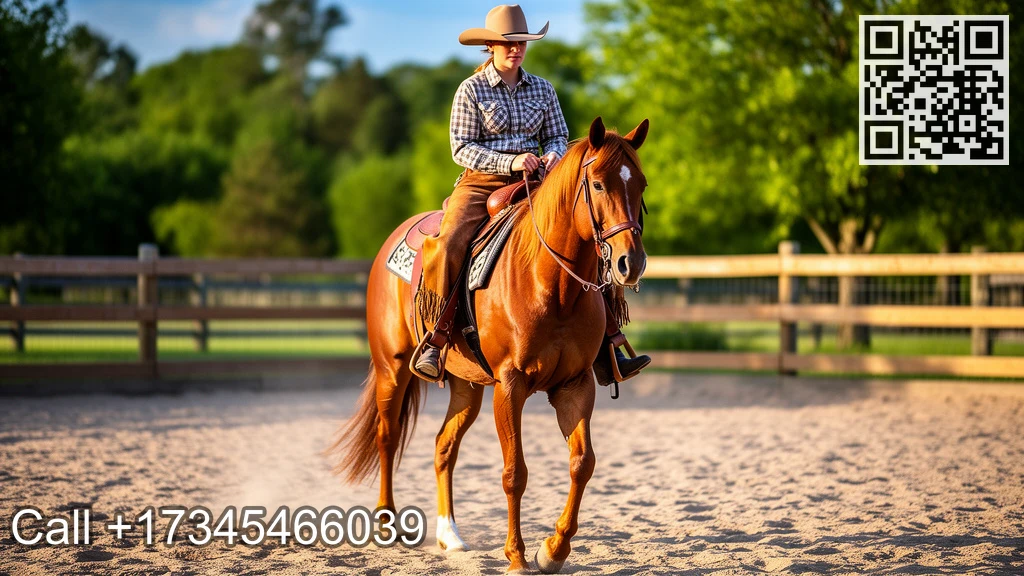
An autism equine finding out program threads predictability through each session and builds in peaceful area for guideline. The setting matters as high as the curriculum. We limit visual clutter near the field, use constant verbiage, and provide sensory devices like heavy grooming mitts or noise-dampening earmuffs. Some individuals work best with miniature equines in the beginning, or with the equine behind a fencing until trust builds. Success is not measured by riding or by proximity, however by regulated engagement and transferable abilities, such as initiating a welcoming or tolerating a mild adjustment in plan.
What progression looks like and just how we track it
I ask clients to define progression in concrete terms, then we track in little bites. https://www.tumblr.com/promptlysweetcascade/819842429193797632/adhd-strengths-in-the-saddle-equine-knowing For a moms and dad navigating separation, it might be three successive handoffs without increased voices. For a supervisor, it could be running a standup that ends on time with two less follow-up emails. For a young person with sensory sensitivities, maybe it is going to a complete 60 minute session without leaving the arena to regroup. We make use of pre- and post-session check-ins that request for a number from 1 to 10 on stress and clarity. Over six to 8 weeks, a lot of folks see their baseline change down a point or two on stress and up a point on clarity. Not every week is smooth. The steed could call you on a blind spot, and your rating bumps up. That dip is information, not failing, and frequently predicts a durable gain the following time.
Team building with equines that does more than make individuals laugh
I like a great laugh as high as any individual, and steeds generate a lot of them. Still, team days need to not be pricey icebreakers. They must take on patterns that matter. A traditional workout asks a tiny group to direct a steed via a collection of obstacles without touching the horse. Just one individual can speak. The group strategies, designates duties, and tries. Usually, we see who leads from the back, that over-functions, who goes away when unclear, and that actions in with a well-timed inquiry that saves the plan. We debrief with inquisitiveness, not criticize. After that we run the very same training course with a constraint turned, possibly no one may talk however 2 can make use of a line. The learning is not concerning horses. It is about how the group takes care of restriction and obscurity. The barn backdrop keeps individuals sincere and grounded. When the steed declines a scary bridge, the team has to change management and method in real time. Those changes convert straight to product launches and cross-department projects.
Getting ready for your first visit
Barns function best when individuals show up prepared. Put on layers you can relocate, closed-toe footwear, and sun defense. Leave fragrances in the house. Consume a treat, even if nerves move your cravings. If you are afraid of steeds, state so on the intake. We can begin behind a fence, collaborate with a calm pony, or begin with observational activities. Allergies and flexibility issues are not deal breakers. Many workouts can be adjusted chair-side, and some barns have installing ramps and confined fields for comfort. If your period of life is chaotic, that is great. Bring the mayhem. We will certainly deficient tidy. We will certainly make it workable.
Choosing a quality program or coach
Here is a simple list I share when people ask exactly how to vet a company:
- Ask concerning range. Do they supply equine-assisted training, restorative horsemanship, or treatment, and exactly how do they define each? Look for security systems. Safety helmets offered, emergency situation strategies posted, and equines with suitable temperaments. Check qualifications and collaborations. Coaching or professional training, plus cooperation with mental wellness or occupational therapists when relevant. Request a sample session plan. It should link activities to your specified objectives, not a one-size-fits-all script. Observe steed well-being. Tidy water, balanced work, time off, and horses that look really at ease with people.
Costs, logistics, and the actual constraints
Rates differ widely by area and center. In many areas, specific mentoring runs 90 to 175 bucks per hour, with group programs valued by half or complete day. Scholarships and sliding ranges exist, typically funded by community gives or contributor support, but they fill promptly. Group classes, such as self-confidence centers or family members sessions, can decrease prices each. I motivate individuals to buy a defined arc instead of drop-in check outs when browsing a serious shift. Six sessions over three months provides your nervous system sufficient rep to encode new patterns. Weather condition might compel rescheduling. We develop versatility into schedules so a tornado does not derail your momentum.
Edge instances and honest limits
Some folks do not click with equines, which is okay. If you leave a lot more stressful than you got here after three sessions, I suggest switching over methods. Allergic reactions can be managed with planning, yet if you need an EpiPen for hay exposure, a barn might not be worth the risk. Individuals with neglected back injuries or equilibrium conditions can still do ground job, yet mounted activities may wait. If your worry of big animals is severe, we could begin with mini steeds or perhaps from outside the fence line with binoculars. I have likewise fulfilled clients that come for the area, not the equines. They rest near the field and journal, after that spend 10 mins at the end greeting to an interested gelding. If that is what serves, that is the work.
Bringing it home
One December after a hard downsizing at her firm, a client called Priya came out in a consistent wind. She felt guilty regarding the cuts and was dreading a January board meeting. We established a straightforward exercise: ask a horse to walk with you at liberty for a brief range in the arena. The smaller mare overlooked her and went to the hay. Priya giggled with a note of anguish. Then she transformed one thing. She picked a line of traveling and committed to it with her entire body, gazing back only when to welcome the steed. The mare lifted her head and strolled along. Priya exercised that sequence 3 more times, after that listed a variation for the board meeting: decide points, established course, invite, do not chase, hold rate. She sent me a note later that month. Meeting done. Hard, but clean. Slept well.
That is the heart of equine-facilitated training. Tidy, not constantly simple, and remarkably mobile. The herd helps you see what holds true, practice what works, and bring it onward. If your life remains in motion, or if you want it to be, you rate at the fencing line. We can stand with each other in the wind, breathe with a horse, and let the next best move disclose itself.