The first time I handed a lead rope to a nine-year-old named Mason, he clutched it like a lifeline and could not keep his feet still. The horse, an individual bay mare named Willow, blinked and breathed out. We started with ten actions of quiet leading, then quit, after that ten more. The pattern was straightforward. By the third pass, Mason's gait synced with Willow's shoulder. He observed her ear flicking towards him and softened his hand. The uneasyness really did not vanish, it redirected. The difference between fidgeting and regulation can be the difference in between disorder and emphasis. Steeds live in that happy medium, where motion is details, not a problem.
That is the heart of ADHD equine finding out support. It is not about requiring tranquility. It has to do with providing movement with significance, feeling with safety, and responses that arrives in real time, from a thousand-pound companion who talks fluent body language.
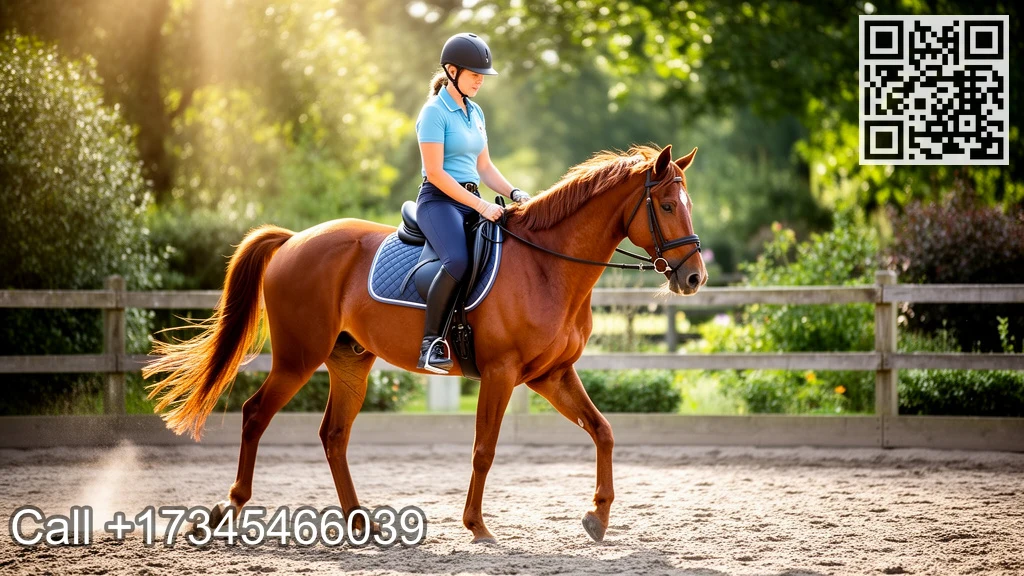
Why horses satisfy ADHD learners where they are
People with interest distinctions frequently listen to the exact same advice duplicated: sit still, try more challenging, manage your time better. Meanwhile, their nervous systems want to move, touch, scan, and react. When you enter a sector, you get in a sensory ecosystem that makes good sense to a mind that flourishes on uniqueness and kinesthetic cues.
Horses are target animals. They read breath, posture, and micro-movements with precision. You can not https://penzu.com/p/84b86e0f07d58fba chat a horse right into trusting you. You gain it by being clear and constant in your body. For a person with ADHD, that pressure to symbolize as opposed to clarify is therapeutic since it bypasses language and faucets straight right into somatic signs. You reduce the loophole between action and responses. Yank the rope also rapidly, the equine tosses its head. Relax your shoulder, the steed matches you. The globe becomes reason, result, change, learn.
This mixes normally with healing horsemanship and equine-assisted services. Some programs highlight riding and functional skill building. Others focus on equine-assisted coaching that targets self-awareness, executive feature, and relational boundaries. The typical thread is experiential understanding with steeds, where the equine's action comes to be the mirror that guides the session.
The sensory discussion in the barn
Traditional sensory diet plans count on heavy coverings, fidgets, swings, and proprioceptive input. A well-run barn provides every one of that, covered in an objective. The structure of a curry comb across a steed's coat offers tactile responses. Pressing a wheelbarrow to the manure stack offers heavy job that arranges the nerve system. The rhythm of strolling with an equine, matched to breath, manages arousal at a speed that feels all-natural, not prescribed.
Somatic recovery with equines happens silently. I enjoy shoulders go down when an equine sighs. I see eyes check the fencing line, then go back to connection, as a biker methods orienting to the atmosphere before going back to job. The smells, the crunch of footing, the warmth along an equine's neck, even the demand to observe where the hooves are, all invite continual attention without penalty. For ADHD learners, calling this Alternative therapy for sensory difficulties undersells it. It is a sensory conversation in both directions, not simply input supplied to a passive recipient.
Groundwork before saddle time
Parents often ask whether their child will certainly ride at the initial session. Sometimes of course, often not. With ADHD equine finding out support, I such as to earn the right to ride. That suggests beginning on the ground with clear objectives that match the individual's guideline level, age, and goals. A six-year-old brand-new to pets needs time to check out ears and discover boundaries. A teenager that infatuates on speed might require to exercise quiting from a stroll up until the behavior really feels trustworthy. A grown-up newly detected at 34 may want to check out management and pacing through equine-facilitated training before ever before stepping into stirrups.
Once trust fund and safety and security are developed, riding can include useful vestibular and proprioceptive input. The three-dimensional motion of an equine's walk estimates human pelvic motion during stride. That rhythm sustains core interaction and midline crossing. But riding is not called for to see advantages in emphasis, emotional guideline, and confidence. Lots of equine-assisted tasks accomplish those goals with groundwork alone.
A sample session that keeps focus moving
Every barn creates sessions in different ways, and the best facilitators readjust on the fly. Right here is a structure I make use of when focus rises and fall but motivation is high:
- Arrival and policy check: 2 mins of observing breath price, stance, and voice quantity. Quick body scan. Determine whether we begin with grooming or a walk. Connection and pet grooming: Soft brush for broad strokes, curry for circles, after that a wet cloth over forehead and neck. Suit rate to the steed's convenience. Track how stress and pace affect the horse's reaction, then adjust. Intentional leading: Walk a rectangular shape at the rail, quit at each edge with a consistent sequence, then change instructions. Include a figure eight, then a stop and back-up. Ask the participant to name the distinction in between pulling and inviting. Challenge and choice: Set three cones and supply two courses, a straight course or a serpentine. Let the participant pick, then review how the choice changed their focus and the equine's attention. Debrief and transition: 3 questions, brief and specific. What did the equine do when you breathed out? Where did your hands really feel strong? What would you try earlier next time?
Notice the oscillation between motion and time out, doing and seeing. That rhythm aids ADHD minds stay clear of the boredom-impulsivity seesaw that thwarts discovering in fixed environments.
Safety, staffing, and the undetectable net
Horses amplify whatever program strengths or voids exist. Safe ADHD equine learning support hinges on well-trained groups, suitable steeds, and a center that prepares for needs. I choose a proportion of one facilitator to one participant for the first few sessions, with a sidewalker or second handler offered if riding starts. For group programs, three to 5 participants with 2 facilitators and a horse handler per equine keeps the circulation while allowing individualized support.
Helmets are nonnegotiable for installed job and commonly valuable for foundation with younger kids. Closed-toe footwear are a must. Clear sector policies come first, framed as contracts rather than risks. We phrase them in favorable language and anchor them in co-regulation. Stroll feet in the arena. Voices at a discussion level near horses. Ask prior to feeding or stroking. The goal is simple: predictability that frees focus for discovering, instead of consistent correction.
Not every barn is geared up for neurodivergent students. When you tour a program, ask exactly how the group integrates ADHD strategies. Do they intend short, differed tasks? Can they minimize visual mess in the sector to limit interruption? Exist silent zones for decompression? Programs that deal with all clients identically usually battle when stimulation spikes.
Choosing the ideal horse for the job
I try to find steeds with a couple of key high qualities: steady rhythm at the stroll, rate of interest in people without being aggressive, and a history of tranquility in brand-new scenarios. Type issues less than personality. Age can vary extensively, yet middle-aged equines often shine because their joints and minds recognize how to speed. The very best partners supply comments without intensifying. If a kid flaps the lead rope, a dysregulated equine may speed up and pull, intensifying the issue. A seasoned equine will grow an unguis and blink, providing a time out that welcomes the trainer to decrease too.
Even the right horse has off days. Windy weather spikes sensitivity on several farms. Spring grass can make easygoing geldings a little fresh. Experienced teams will certainly adapt by switching steeds, changing activities, or working inside.
Sorting the hodgepodge of equine programs
The area makes use of overlapping terms that can perplex households and clinicians. Healing horsemanship normally stresses skill structure and may include flexible riding with licensed instructors. Equine-assisted services is a broad umbrella that covers riding, groundwork, mental health and wellness collaborate with accredited therapists, and physical or occupational treatment. Equine-facilitated health and equine-facilitated training typically involve non-mounted sessions that target self-regulation, stress and anxiety management, personal goal setting, or group dynamics.
Team building with horses can look different once more, with teams learning cooperation, count on, and communication through time-limited difficulties in the arena. ADHD students can benefit from each technique, however clarity matters. If your key goal is executive function and emotional guideline, ask for equine-assisted coaching or mental health and wellness sessions. If you want riding skills and sensory law, adaptive riding under healing horsemanship might fit best.
What the research recommends, and where judgment still leads
The evidence base is expanding, though it is not as large or consistent as we would such as. Tiny research studies and program analyses have actually reported gains in interest, self-regulation, and social abilities for young people in riding and groundwork programs over spans of 8 to 24 weeks. Medical professionals typically observe boosted irritation tolerance and faster return to baseline after distress. Heart rate variability and cortisol modifications have been measured in some contexts, however findings vary with program style and participant age.
If you are trying to find warranties, equine job does not provide them. What it offers is an abundant setting for method. ADHD brains tend to enhance with clear contingencies, regular comments, and psychologically engaging jobs. Equines deliver those ingredients continually when sessions are well designed.
When equines are not the best fit
This work is not universal. Serious hatreds hay or dander can make sessions miserable. Unchecked hostility or a background of animal harm requires cautious testing and option sustains first. Severe injury might make a prey pet's level of sensitivity frustrating. Some clients become so horse-focused that transfer to college or home stalls out. Others crave high-speed riding when their system needs slow-moving, patterned movement.
There are workarounds. Allergic reaction methods and outside grooming decrease triggers. Finished exposure and groundwork construct ability before a lot more intense jobs. Clear behavioral contracts and group control with therapists can widen the home window of resistance. Still, it is better to pause or pivot than to compel a suit that boosts risk.
Goals you can count, and tales that matter
Good programs gauge what they educate. For ADHD equine finding out support, that could consist of on-task duration throughout grooming, effective transitions in between workouts with marginal prompts, or the variety of self-initiated law strategies utilized per session. I track latency to recoup after an error, like dropping the lead or missing out on a cone. Over weeks, I anticipate to see the individual naming their state, picking a change, and going back to job faster.
Anecdotes are not data, however they direct technique. One 13-year-old, Hannah, started with two-second bursts of interest and constant side glimpses to every noise in the barn. By week six, she could lead at the rail for three minutes, halt on a soft exhale, and show, I discovered when Thunder's ear mosted likely to the gate, so I transformed his shoulder back to me. That is executive function moving, trained not with a lecture, yet through a really felt sense of timing and cause-effect.
Anxiety, autism, and the overlap worth naming
Many clients with ADHD additionally experience stress and anxiety, and a purposeful number are autistic. Equine-assisted wellness can offer both. Anxiousness assistance with steeds take advantage of the very same co-regulation loophole that helps focus. The equine's breath and activity support the present moment, while the facilitator structures options that lower uncertainty. For autistic participants, an autism equine finding out program commonly highlights predictability, sensory level of sensitivity, and clear aesthetic assistances. Routine can live together with novelty by maintaining the structure steady while differing the certain task. Lead the very same pattern, with a new goal at each edge. Bridegroom in the same order, with a new brush appearance presented slowly.
The secret is individualized pacing. Some autistic customers hyper-focus on the steed's hair and disregard instructions. Rather than breaking that focus, we join it, turning the braid into a sequencing job or a bilateral control challenge. The equine ends up being the bridge in between passion and skill development.
For grownups with ADHD who assume the barn is for kids
Adults often come late to medical diagnosis with a lifetime of workarounds and a fair amount of embarassment. Equine-facilitated coaching offers a judgment-light sector to exercise borders, quality, and pacing. Ask a thousand-pound animal to respect your room, and you learn what it feels like to establish limitations without apology. Technique requesting a stroll, a quit, a yield of the hindquarters, and you create a grammar of request and action that returns to groups and family members. Many experts pick team building with steeds to deal with communication patterns under a light load, where the stakes are high sufficient to issue however not so high that defenses harden.
I have actually viewed execs discover how their behavior of over-directing freezes initiative in both equine and team. I have actually seen quiet leaders progression when asked to keep an equine's attention throughout a noisy arena. The allegories are not refined, however they are made through effort, not imposed by a facilitator's narrative.
Facility layout that sustains focus
Small environmental tweaks avoid derailment. I choose sectors with clean rails and restricted visual noise. Cones and props stay off away up until required. Whiteboards provide the day's 3 jobs, say goodbye to. Damage areas have a chair, a heavy lap pad, and water, nothing distracting. Sound carries in different ways in protected arenas, so we examine microphones, and we make use of hand signals for halt, stroll, and stop to prevent shouting.
Session length issues. For numerous youngsters, 45 to 60 mins as soon as a week is sustainable. Some programs run 30-minute intensives two times a week for the initial month, which can jump-start practices. Adults frequently tolerate 75-minute coaching sessions that include a short class segment, 40 mins in the arena, and a debrief.
Costs, access, and how to veterinarian a provider
Prices vary by area and qualifications. Expect varieties from 60 to 150 bucks for individual foundation or flexible riding, and 120 to 250 bucks for equine-assisted training with licensed psychological health providers. Group sessions lower cost however likewise reduce individual time with the steed. Scholarships and gliding scales exist at some barns, and nonprofits occasionally finance young people programs.
Look for qualifications that match your objectives. For riding ability growth and security, nationwide instructor certifications in restorative horsemanship matter. For psychological health work, confirm that the specialist holds an energetic certificate in therapy, community service, or psychology in your state and is trained in equine-assisted techniques. Inquire about proceeding education and learning, equine welfare criteria, and incident feedback strategies. A great program welcomes these questions.
How readiness and routine come together
The best outcomes happen when equine job belongs to a bigger strategy. Teachers can line up classroom methods with what is found out in the arena. Parents can exercise the same breath hint and language utilized throughout leading when disappointment spikes in the house. Coaches can assist grownups embrace short, kinetic resets between tasks, mirroring the walk-halt pattern that worked with the horse.
Transference is not automatic. We need to name it. After an effective stop at the cone, I commonly ask, Where does this skill matter at institution? Children respond to in their very own language: When I elevate my hand and wait. When I pick up my pencil without tossing it. That calling adhesives sector learning to day-to-day life.
A first-visit list for family members and adults
- Ask regarding the program's method to ADHD equine discovering support and exactly how sessions are structured for sensory needs. Tour the center and observe at least one session, noting security techniques and steed behavior. Share medical history, medications, and sets off, and settle on a plan for dysregulation moments. Clarify goals you can determine in six to eight weeks, and determine exactly how progression will be documented. Confirm clothing and devices, consisting of helmets, footwear, and any type of flexible tack.
A glance of the operate at its best
On a windy mid-day, an adolescent kid named Luis got here mad and loud. The weather had the steeds high, and we nearly terminated. Rather, we brought out the steadiest mare and set 3 cones at the near end of the arena to reduce travel. Luis tugged the rope, the mare grew her feet. He rolled his eyes. I asked him to attempt one point: reduced his shoulders and breathe out like he was misting a home window. He provided a theatrical sigh, and the mare blinked and adhered to. He tried once more, smaller, and she softened extra. He looked surprised.
For the following 20 minutes, he led, stopped, backed, and readjusted, learning to really feel the difference between dramatization and clarity. Later, he shrugged and said, She does not pay attention when I'm mad. She listens when I mean it. That sentence made its method onto a sticky note on his room mirror. His instructor later reported fewer pounded cabinets and even more resets after mistakes. The mare did not fix his ADHD. She supplied a practice field where his attention and objective could align, one action at a time.
That is why I keep placing lead ropes into agitated hands. Not to silent them, however to provide something deserving to hold.