On a crisp October early morning I watched a gelding named Scout time out at the limit of the arena. Maple leaves skittered throughout the sand, wind snapping at the banners, and a teen with a background of panic attacks gripped the lead rope like it was a lifeline. Scout exhaled, long and low. The teen mirrored him, not due to the fact that I cued it, but because the noise and the shift in his ribcage made it tempting to follow. Their shoulders dropped at the very same time. The herd in the surrounding paddock softened their ears. The gust passed. That three-breath reset altered the rest of the session.
Moments like these are the heart of somatic healing with equines. We do not require calm. We co-create enough safety and security for the nervous system to notice opportunity, then let the body make the next right relocation. Seasons matter right here too. Steeds live near to weather, light, forage, and herd rhythms. When we straighten sessions with those cycles, we make it less complicated for bodies to remember their very own timing.
Why equines assist bodies remember
Horses are target pets. Their survival relies on tracking subtle shifts in the environment and in each various other. A flick of an ear, a fractional breath change, micro-movements in the flank, the audio of a boot on crushed rock. They review everything. This is not mysticism. It is sensory handling, improved across millennia, and it is transmittable. When an individual enter that area of attention, our very own somatic hints get enhanced. That can feel intense initially, after that surprisingly easing once there is room and framework around it.
In restorative horsemanship and other equine-assisted services, we use that natural attunement to exercise law in genuine time. The horse is both partner and mirror. Stroll too quick and the lead line tightens up, the steed wanders away, or quits. Breathe shallowly and you might observe the equine raise their head, after that settle when you soften. These are micro-biofeedback loops, disconnected from displays and labs, based in unguis and hay.
There is study suggesting that time with steeds can improve heart price irregularity, a pen connected with stress and anxiety resilience. I have actually additionally seen individuals relocate from trembling hands to constant tasks in a single session, without a single pep talk. The body discovers by doing, specifically when touch, equilibrium, rhythm, and clear limits are involved.
Somatic devices we obtain from the herd
A great equine-facilitated health care does not just include a horse to speak therapy. The body is the classroom. We have a tendency to begin on the ground, because foundation maintains choice front and center. People can step more detailed or further, request activity or serenity, and notice what each choice does inside their skin.
Here are a few of the patterns that continually help:
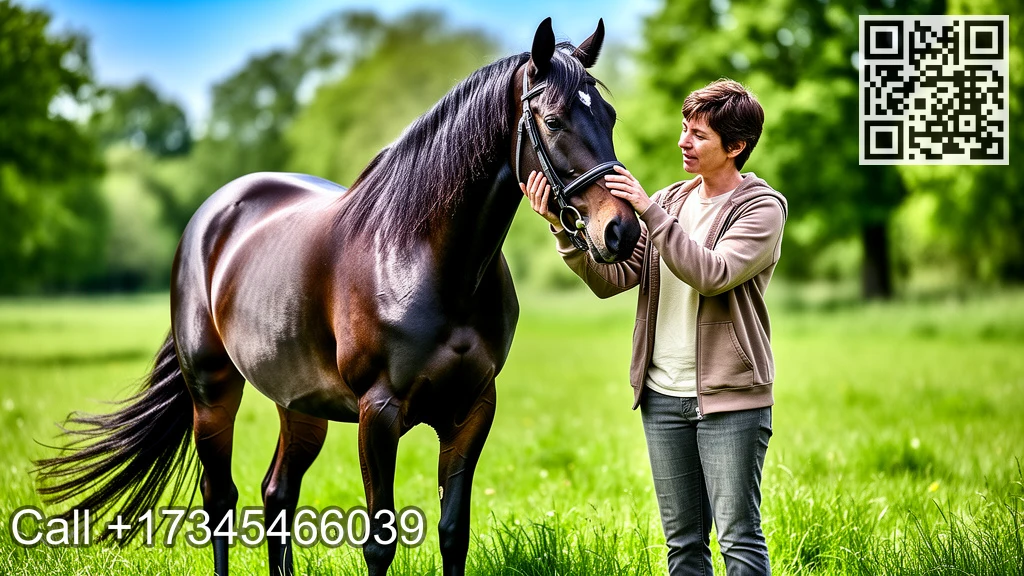
- Matching breath to motion. The equine strolls, we stroll, and we speed exhale to the audio of unguis. You can determine the change by watching shoulders level out and wrists stop fidgeting. Pressure and launch. Ask an action with a light hint on the lead rope, release the immediate the equine tries. The timing matters more than toughness. Bodies learn that effort ends when the job is done, which is a powerful antidote to chronic overwork. Boundary clarity. Equines are generous with comments about individual space. If a person tends to disappear in crowds, practicing a square quit and a hand signal to provide the equine area can be revelatory. If somebody tends to press too hard, discovering the soft ask that obtains a better feedback can rectify force. Bilateral rhythm. Leading through a figure or weaving cones gives left-right input to the nervous system, which often smooths rugged attention. Co-regulation through pet grooming. Many individuals with sensory challenges require more control over input. A soft brush on the shoulder blade, after that pausing to look for stress preference, provides firm. The steed's sluggish blink while being brushed is not a trick. It is a sign that your speed is translating.
The technique name adjustments based upon program focus. I utilize experiential understanding with steeds when the objective is ability building or leadership. Equine-assisted tasks fit entertainment and developing objectives. Equine-assisted coaching concentrates on individual or specialist growth. All share the exact same core: embodied finding out with a receptive, honest partner who can not make believe or flatter.
Pacing with the seasons
Horses draw us into seasonal awareness since their requirements transform month by month. If you try to run the same strategy in July sunlight and in January wind, you will certainly fight nature instead of riding with it. I construct my schedule around four arcs.
Spring is keyed for inquisitiveness and reactivate. Metabolism increases as pastures eco-friendly, daylight stretches, and the herd gets playful. Sessions in spring commonly emphasize positioning. We spend more time greeting each steed at the gate, calling smells in the barn, discovering which part of the body wants to move first. For a young adult with ADHD, spring can be a present and a threat. Energy is high. We channel it right into pattern play, like ground poles embeded in spirals, brief trots in between serenity, or scavenger hunts for grooming tools that call for sequencing.
Summer requests steadiness and clever borders with warmth. Early mornings become prime-time show. Shade, water breaks, shorter periods, and a slow-on purpose plan assist keep everybody comfortable. This is a penalty home window for confidence structure and for team building with equines. I frequently run 90-minute equine-facilitated training sessions for work groups in summer, with clear goals such as count on calibration or giving and receiving responses. The heat pressures sincerity. If a leader can not connect a clear ask in ten words or fewer, the team and the steed weary swiftly. Real-time responses conserves hours of conferences later.
Autumn turns the volume down and deepness up. The air sharpens. Steeds track wind and changeable surfaces, that makes this a great period for refining equilibrium and adaptability. For stress and anxiety assistance with steeds, I like to pair loose lead walking with specific option points. Do we stop at the gate or go through, do we circle the frightening tarp or investigate it. The nerve system finds out that anxiety signals information, not command. Fall likewise sets well with grief job. I have actually seen individuals lay a hand on a warm neck and let the weight of a hard year action via without words, like fallen leaves loosening from a branch.
Winter is a research in basics. Cold influences sensation. The arena might be grinding underfoot, breath programs in clouds, and horses are commonly calmer if turnout corresponds. Winter months sessions frequently highlight sluggish stamina, relaxes, and warmth. For customers with sensory level of sensitivities, we prep much more thoroughly. Think layered clothes with no scratchy seams, hand warmers for fingertips, and grooming devices that feel great via gloves. When riding, if we ride in any way, we keep it short and concentrated, typically preferring bareback pads for more responses and core activation. On extreme climate days, barn sessions with freedom job or stall-side link keep the string alive.
The big factor is not to think romantically weather. It is to respect that our biology listens to light and temperature level. If a program claims to work the same way year-round, it likely misses out on possibilities to partner with the setting instead of dealing with it.
Who often tends to benefit and just how we tailor support
Anxiety turns up as bracing, scanning, or a restless requirement to relocate. The steed really feels that as press or freeze, after that responds to honestly. We break cycles without reproaching. A normal course for anxiousness assistance with steeds starts with predictability. Exact same equine for several sessions, exact same grooming order, same first pattern. Once baseline count on is set, we introduce little selections to reclaim firm. I have actually seen panic-prone teenagers locate that the only means to ask a thousand-pound pet to step is with a softer hand and much heavier breathe out. When their body gives that, their heart follows.
For ADHD equine discovering support, motion is a function, not a defect. We aim for brief, differed tasks with crisp feedback. Build a cone pattern, examination it with the horse, modify, try once again. The equine's instant action to a clear hint beats any kind of lecture regarding emphasis. We additionally lean right into hyperfocus as a resource. If a customer enjoys the puzzle of obtaining a perfect side pass over a post, we utilize that to show chunking, time awareness, and frustration tolerance.
With the autism equine learning program at our farm, we individualize sensory profiles prior to we ever before fulfill an equine. Some participants enjoy deep stress and balanced brushing yet do not like light touch. Others crave predictability in sound but appreciate uniqueness in activity. We begin with indeed. If the chink of a metal snap is as well sharp, we switch over to rope halters. If fluorescent barn lights flicker, we work outside. Authorization is specific. I intend to see the equine and the human both selecting the communication. Eye contact is optional. Shared orientation is enough. Over months, numerous participants broaden their window of resistance and social communication naturally, without piercing social scripts.
For people with sensory processing distinctions extra generally, equine-assisted solutions can be a tidy choice therapy for sensory obstacles due to the fact that input is whole-body and graded. You can feel a cozy muzzle, scent hay, hear hoofbeats, feeling resonance with the ground, and relocate rhythm, all while having the capability to step back the minute it is way too much. That control is gold. It trains the nerve system to modulate, not simply endure.
I additionally collaborate with grownups recovering from fatigue and injury. Steeds do not rush. They do not compliment your productivity. They merely ask, are you below. If the solution is no, we stop until the body solutions yes. It sounds easy. It is not. However the somatic memory of that indeed often tends to stick.
Safety and ethics that allow finding out happen
Good equine-assisted activities hinge on solid security and pet welfare. Headgears for installed job, boots with a heel, clear room, and an escape route in every setup. An equine matched for this work is sound, people-oriented, and appreciates the job. A few of my finest partners are retired program horses with miles under saddle and a soft eye. We limit hours, rotate tasks, and monitor for indicators of anxiety like pinned ears, tail swishing, or refusal to strategy. A program that serves individuals by ignoring the steed is not a recovery program.
We also check extent. Equine-assisted coaching is not psychotherapy. I often work together with specialists or occupational therapists when the objectives cross right into scientific region. That team effort maintains duties clean and customers safer.
A first session that invites the body, not simply the mind
People ask what to expect. Right here is a normal flow for an initial check out, adapted for age and requirement. We begin on the ground. We might never install in the first couple of sessions, due to the fact that hurrying to riding skips the very thing that recovers: sluggish, common choice.
- Arrival and positioning. Explore the area, satisfy staff, view the herd from a safe distance, and name two exits in every pen or field. Predictability reduces standard arousal. Consent and choices. Sensory check, suches as and dislikes, stop signal agreed upon for both human and horse. We pick a safe word or gesture. Greeting and reading. Technique along the shoulder, name what we discover out loud. Consider ear position, breathing, eyes. Technique stepping in and out of personal space. Grooming for co-regulation. Beginning with a curry or soft brush on huge muscles. Time out often. If the steed licks and chews, blinks slowly, or sighs, we discover our own body also. If the horse tenses, we lighten or move. Pattern with function. Lead through a short path, possibly a figure, with focus on breath-matched actions. We finish with a little success and a thank you to the horse.
The entire visit could run 45 to 60 mins. That suffices time for one nerves shift, not so much that we blow out the circuits. If a person shows up braced against touch, we may do no brushing and just stand near the fence with each other. Success is specified by the body, not the plan.
Teams, leaders, and equines that do not read résumés
When I promote group structure with steeds, I keep the goals behavior, not abstract. Count on, clearness, border, and recovery from mistakes are the normal core expertises. A timeless exercise is moving an equine with an unique barrier, like a drape of pool noodles or a line of ground poles, utilizing only nonverbal cues. The instantaneous feedback is humbling and amusing. If a single person attempts to dominate, the equine plants his feet. If the team overthinks, the steed forages. When the group synchronizes breath and purpose, the horse goes through as if it was nothing.
The transfer to the workplace is not obscure. A leader who can not regulate in the field under mild stress typically has a hard time in the boardroom when stakes are high. The steed gives them a location to exercise recovery without the cost of a shed offer or a harmed connection. After a couple of runs, we debrief in concrete terms. What did your body do when the horse said no. Who stepped back to pay attention. Did you commemorate the little shot, or did you miss it and press past the knowing moment.
I keep team dimensions little, generally 6 to eight individuals with 2 equines and two facilitators. Ninety minutes is a pleasant area. Anything much longer becomes tiredness unless we construct in breaks. People leave dusty, smiling, and unusually truthful with each other.
Weather-aware methods that travel home
Equine-facilitated health is not a solitary magic session. The body learns in layers. In between visits, I urge basic, season-tuned techniques that echo what the steed instructed. In spring, take a two-minute alignment stroll in a park, eyes scanning horizon to close-in details, naming colors. In summer season, method sluggish exhale breathing seated on a deck at dawn prior to the day increases. In fall, get something a little hefty, like a grocery bag kept in both hands, and feel the ground while you breathe. In winter months, cover in a cozy blanket, press your back to a firm surface like a wall surface, and let your lungs relocate the fabric. None of this requires a horse, though the steed taught it.
When clients return to the barn, their bodies bear in mind more quickly. The sessions deepen.
Handling edge situations and hard days
Not every session drifts. Windy days can increase reactivity. Somebody shows up underslept and overcaffeinated. A steed is irritable because the farrier was simply there. Below is where experience issues. I have actually called sessions early since the herd energy was off. I have actually swapped a big extroverted horse for a small, older mare who chooses quiet, since the customer's hands were uneasy and the suit would certainly have been unfair. I have actually moved a session from the field to the round pen due to the fact that the resemble of a roof job activated a customer with an injury history. None of that is failing. It is the work.
There are likewise borders we hold hard. If a client wishes to ride without demonstrating regular regard for personal space on the ground, we wait. If a parent presses a kid to pet dog an equine when the youngster's body is clearly claiming no, I agree the no. The long-lasting connection with trust is more vital than the temporary photo.
What progress looks like, in numbers and stories
People typically desire metrics. I track points like time to standard calm at the beginning of a session, number of successful asks without rope tension, and self-reported tension on a 0 to 10 range prior to and after. Over 8 to 12 weeks, numerous clients see a drop of 2 to 4 points in perceived stress and anxiety after sessions, with the after-effect enduring longer throughout the arc of the program. That is not a randomized trial, but it is consistent sufficient to prepare around.
Stories make the numbers breathe. The teen from the opening scene maintained beginning Friday mornings with winter. By February, he was selecting the bus over moms and dad drop-off once a week, an objective we connected to walking Precursor into the field without my hand on the lead rope. He claimed the bus aisle felt like the space between cones. He breathed and allow people pass. On days the wind barked, he requested for the smaller mare and we readjusted. That is development: certain, lived, and portable.
Another customer, a software program project manager, brought her team for 3 half-day equine-facilitated mentoring sessions spread across a summertime. Their deliverable price did not change overnight. What altered first was their post-mistake fixing time. After session two, they started calling misses within 24-hour instead of letting them fester for a week. In the sector they had found out that having a missed out on sign got the steed curious again. They took that home.
Building a program that fits you
If you are vetting a program, ask a few grounded questions. What steeds do you make use of, and how do you monitor their wellness. What is the staff's training in equine actions and in human facilitation. How do you take care of consent for individuals who are nonverbal or that interact in a different way. What is your weather procedure throughout seasons. How do you adapt for sensory requirements. If the solutions are obscure or protective, keep looking.
A good program is clear regarding extent. It recognizes when equine-assisted services are the appropriate fit, and when a reference to a various method is better. It can verbalize why it selects groundwork over riding for particular objectives. It will additionally gladly work together with your therapist, doctor, or school group if that helps.
A little pocket toolkit you can begin today
You do not require a barn to start syncing with nature and your nervous system. These are light-touch techniques I show in the field that operate at home too.
- Exhale lengthening. Four count breathe in, 6 to eight matter exhale, for 3 rounds. Use it at gateways, entrances, or before you open your laptop. Orient with your detects. Call five points you see, four you listen to, three you feel on your skin. In springtime and autumn, take this outdoors for richer input. Square stops. When walking, choose a pen ahead and stop with even feet under hips. Allow your arms hang. Feel your soles. Then go. It trains definitive pause. Gentle pressure reset. Press your back against a wall or rest with a company pillow at your low back. Breathe till your shoulders drop. Equines lean on fences for a reason. Rhythm check. Clap or tap a constant beat for thirty secs, after that match your steps or your breath to it. Your body likes rhythm the method horses enjoy herd.
Practice a couple of times a day momentarily or more. Consider it as friendly upkeep as opposed to a fix.
The peaceful present of the calendar
I have actually learned most of what I recognize not from books, but from showing up in all climates https://claytontdyn495.raidersfanteamshop.com/attention-in-action-adhd-assistance-via-equine-knowing with the same herd and seeing what changes. In March, throats thaw and steps quicken. In July, we look for shade and let the day be easy. In October, leaves murmur and bodies release. In January, the skies is bright and bare, and a cozy muzzle versus a wrist says enough.
Somatic recovery with horses is not regarding turning individuals into riders, though some wind up loving that also. It has to do with learning to befriend a body that has good reasons for its behaviors, then offering it kinder options, paced by light, wind, and the stable company of another being who listens with their entire self. When nature and nerves sync, initiative relieves. You do not compel breath. You notice it. You match it to hoofbeats. You stroll on, season by season, with sufficient gentleness to keep going and adequate framework to really feel safe.